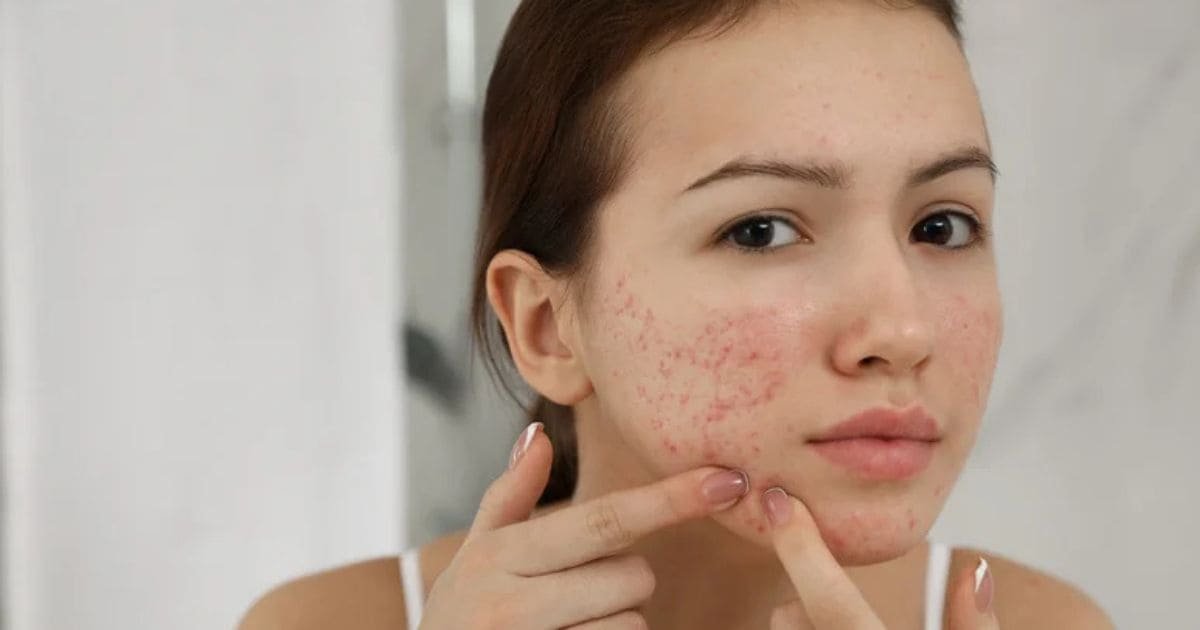

A lot of curiosity is carried about skin color and the way it can be changed. The phrase how to increase melanin is often searched because melanin is linked with skin tone and with protection from sunlight.
Melanin is a natural pigment that is found in skin, hair, and eyes. A darker look is usually caused when more melanin is present.
A safe and realistic goal should be kept in mind. A major part of the melanin level is set by genes, so a dramatic change is not usually possible without risk. Still, healthy support for melanin function and for an even skin tone can be done.
In this article you will learn How to increase melanin safely and skin-friendly methods will be shared. Risky tanning ideas will be explained clearly, and simple daily habits will be suggested.
What is melanin and why does it matter?
Melanin is a pigment that is produced inside special skin cells called melanocytes. It is stored in small packets, and it is passed to nearby skin cells.
A key job is performed by melanin. Some ultraviolet light from the sun is absorbed and scattered, so less damage is caused in deeper skin layers. This protective role has been described in medical research.
More melanin is often linked with fewer sunburns, but full protection is not provided. Sun damage can still be caused in every skin tone, so sun safety is still needed for everyone.
Skin color is shaped by the type of melanin and by how it is spread in the skin. Two main forms are known, and different mixtures are carried by different people. This is why many shades are seen across the world.
How melanin is made in the skin
Melanin production is called melanogenesis. It is carried out inside melanocytes, and a key enzyme called tyrosinase is used in the process. Tyrosinase has been described as a rate-limiting enzyme for melanin creation.
Signals are sent to melanocytes when sunlight is sensed by the skin. Many internal steps are used, and genes and hormones are involved.
More melanin is often produced after ultraviolet exposure, and this has been described as a defense response by the skin.
At the same time, harm is also caused by ultraviolet light. DNA injury and oxidative stress can be increased, and the risk of skin cancer can be raised. This is why tanning as a method for how to increase melanin should be treated with caution.
Can melanin really be increased safely?
A small increase in melanin can be triggered by sun exposure in many people. A tan is often seen within days, especially in skin types that tan easily.
But a tan should not be seen as a healthy shield. Only a low level of protection is provided by a tan, and it has been described as roughly equal to a very small sunscreen level.
Indoor tanning should be avoided. Increased skin cancer risk has been linked with tanning devices, including melanoma and other skin cancers.
So a safer approach should be chosen. Support can be given to the body so that a healthy pigment balance is encouraged, while sun injury is reduced.
How to increase melanin in skin naturally with daily habits
First, gentle sunlight exposure may be used with care, but burning must be avoided. Short exposure in early morning or late afternoon is often preferred, and shade and clothing should be used when the sun is strong. Sun safety has been recommended by dermatology guidance for all skin tones.
Second, regular sleep should be supported. Hormone balance and skin repair are helped during sleep, and skin stress can be lowered when rest is improved.
Third, stress should be managed. Inflammation and hormone changes can be driven by chronic stress, and uneven pigmentation can be made worse in some people.
Fourth, gentle movement should be included. Blood flow is supported, and overall skin nutrition is supported indirectly when a healthy routine is kept.
Fifth, smoking should be avoided. Skin aging and dullness can be increased by smoking, and healthy skin processes can be disturbed.
Foods and nutrients that support healthy melanin production
No single food is guaranteed to change skin color fast. Still, nutrients are needed for normal skin function, and protein building blocks are used in many body processes, including pigment-related pathways.
A balanced diet should be aimed for. Enough protein should be included because amino acids are used in the body. Tyrosine is known as a building block in melanin chemistry, and tyrosinase activity is linked with the melanin pathway.
Copper-rich foods may be included in normal amounts. Copper is used by several enzymes in the body, and tyrosinase is known as a copper-containing enzyme in biochemical discussions of melanogenesis.
Colorful fruits and vegetables should be eaten daily. Antioxidants are provided, and oxidative stress from sunlight and pollution can be reduced. Oxidative stress effects in melanocytes after ultraviolet exposure have been discussed in scientific work.
Healthy fats should be included. Skin barrier function is supported by essential fats, and dryness and irritation can be reduced. Less irritation is helpful because irritation can trigger dark spots in many people.
Water should be taken regularly. Hydration is needed for normal skin function. A bright and healthy look is often supported when dehydration is avoided.
If a restrictive diet is followed, nutrient gaps can be created. Iron, vitamin B12, and folate status may be checked by a clinician if fatigue or other symptoms are present, because general health problems can be reflected in skin and hair.
Skin care steps that support melanin balance and even tone
Gentle cleansing should be used. Harsh scrubs and strong soaps can be irritating, and irritation can be followed by uneven dark marks in some skin types.
Moisturizer should be applied daily. A healthy skin barrier is maintained when moisture is kept, and fewer flare-ups of redness and itching can be seen.
Daily sunscreen should be used even when melanin is desired. Sun damage can cause blotchy pigmentation and early aging, and it can raise cancer risk. Sunscreen with SPF 30 or higher has been advised by major medical guidance for the prevention of darkening and discoloration.
Protective clothing should be worn when the sunlight is strong. Hats, sunglasses, and long sleeves can be used. Shade should be chosen when possible. These sun protection steps have been recommended by dermatology sources.
If a warm glow is wanted without sun injury, sunless tanning products may be considered. They are used to color the outer skin layer without ultraviolet exposure. A medical discussion of sunless tanning has been published in dermatology literature.
Safe sunlight rules for anyone trying how to increase melanin
A common mistake is made when tanning is used as the main method. A tan is a sign that the skin has been stressed by ultraviolet light.
If sunlight exposure is chosen, burning must be prevented. A burn is clear skin injury, and long term risk is increased when repeated burns are received.
Peak sun hours should be treated carefully. Strong midday sun can cause faster damage, even when a tan is being built.
Indoor tanning should be avoided completely. Strong evidence has been shared about increased cancer risk from tanning devices.
A base tan should not be trusted as protection. Only a small protection effect is provided, far below what is recommended for safe sun time.
What should be avoided when melanin is being targeted
Unsafe methods are often promoted online. Many of them should be avoided because permanent harm can be caused.
First, repeated tanning and intentional sunburn should be avoided. Skin cancer risk can be increased, and wrinkles and spots can also increase. Tanning risk has been described by public health and regulatory sources.
Second, untested pills and injections should be avoided. Products that promise fast tanning can be dangerous, and side effects can be severe. A clinician should be consulted before any medicine or supplement is used for pigment change.
Third, harsh chemical peeling at home should be avoided. Burns and scars can be caused, and darker patches can be left behind, especially in deeper skin tones.
Fourth, aggressive scratching should be avoided. Post inflammation dark marks can be created after acne, eczema, or insect bites. Gentle care should be used so healing can be supported.
Fifth, mixing many strong active skin products at once should be avoided. Irritation can be triggered, and uneven tone can be made worse.
Also Read This: Beriful: Manicure at Home: The Complete Guide to Healthy, Beautiful Hands Naturally
When should professional help be asked for?
Sometimes, low pigment or patchy pigment is caused by a medical condition. Vitiligo, albinism related disorders, and some inflammation problems can change pigment patterns.
If sudden pigment loss is seen, medical advice should be requested. If rapidly spreading dark patches are seen, medical advice should also be requested.
If a mole is changing in shape, color, or size, it should be checked quickly. Skin cancer warning signs should never be ignored.
If a safe plan for tone support is wanted, a dermatologist can guide choices. Treatments for discoloration and proper sunscreen use can be explained. Guidance about discoloration care and sun avoidance has been included in medical information resources.
Summary of how to increase melanin
The idea of how to increase melanin is often linked with a desire for a healthy and glowing look. A realistic view should be kept because genes set much of melanin level.
Some melanin increase can be triggered by sun exposure, but tanning should not be used as a main strategy because damage and cancer risk can be increased. Indoor tanning should be avoided, and sunburn should be prevented.
A safer plan should be used instead. Skin barrier care should be supported, nutrition should be balanced, sleep should be improved, and daily sun protection should be applied for even tone and long term skin health.
A natural glow can be supported when gentle habits are kept. For many people, the best result is not a much darker tone, but a smoother and more even tone with less irritation and fewer spots.
FAQs
How to increase melanin fast?
Fast and safe change is rarely possible. A tan can be formed quickly, but skin damage is also caused, so a slow skin-friendly approach is usually preferred.
How to increase melanin in skin naturally without sun damage?
Healthy habits should be used, including good sleep, balanced food, gentle skin care, and daily sunscreen. A sunless tanner may be used if color is desired without ultraviolet exposure.
Can melanin be increased by food alone?
A direct and big change is not usually produced by food alone. Still, balanced nutrition can support normal skin function, and irritation-related dark marks can be reduced when skin health is improved.
Is tanning bed use a safe way to increase melanin?
It is not considered safe. Increased risk of melanoma and other skin cancers has been linked with indoor tanning devices.
Why is sunscreen still needed if melanin is being increased?
Because sun damage can still be caused in every skin tone. Sunscreen and other sun protection steps are recommended for reducing burn and cancer risk and uneven dark spots.
When should a dermatologist be consulted about melanin changes?
A dermatologist should be consulted if sudden pigment loss is seen, if fast spreading dark patches are seen, or if a mole is changing. Guidance for discoloration care and sun protection has been given in medical sources.