
Before learning how to reduce noise pollution, we should first understand how it is created. Noise pollution happens when unwanted sounds stay in the environment for a long time. It can be caused by traffic, loud music, heavy machines, and even loud voices in crowded places.
A quieter life is usually wanted because loud sounds can make the body tired and the mind angry. Sleep can be disturbed, and studying can be made harder.
Health effects from environmental noise have been described by the World Health Organization, including sleep disturbance and heart-related effects, and problems with learning and attention.
What does noise pollution mean in simple words?
Noise is sound that is not wanted. It can be a loud horn, a barking dog, or a busy road sound that never stops.
Noise pollution is said to be present when noise is repeated often, or when it is so loud that it hurts comfort and health.
Some sounds can be safe but still annoying. A fan sound can be safe, but it can still disturb sleep if it is loud and close.
A helpful idea can be remembered. Noise can be controlled in three places. The source can be fixed, the path can be blocked, or the receiver can be protected.
Why noise pollution is a serious problem
Sleep can be broken by noise. When sleep is broken again and again, tiredness can be felt in the morning, and the body can be stressed.
Attention and learning can be harmed by steady noise, especially in children. Reading and classroom focus can be reduced when transport noise is near schools.
The body can also be affected even when the ears get used to the sound. Stress responses can be triggered, and heart related risks have been linked with long term noise exposure in research reviews.
Nature can be disturbed too. Birds and other animals can be forced to change where they live and how they find food when loud sound are present.
Where noise pollution usually comes from
Road traffic is a major source in many places. Engine sound, tire sound, and horn use can build a constant loud background.
Construction work is another common source. Drilling, cutting, hammering, and truck movement can be heard far away.
Loud music can be a big problem in neighborhoods. Speakers can push sound through walls and windows, especially at night.
Home noise can also add up. Generators, old fans, mixers, loud televisions, and repeated door slams can create daily stress.
How to find the biggest noise problems around you
The first step can be listening carefully at different times. Morning noise can be different from night noise, so patterns can be noticed.
A simple note list can be made for three days. The loudest sounds can be written down with time and place.
The distance from the sound can be checked. A sound that feels huge may be coming from a nearby gap, like an open window or a thin door.
A phone sound meter app can be used for rough tracking. Exact accuracy should not be expected, but changes can be seen when improvements are made.
How to reduce noise pollution at home
Windows and doors can be treated first because most outside sound enters there. Gaps around doors can be sealed, and thick curtains can be used to reduce sound coming through glass.
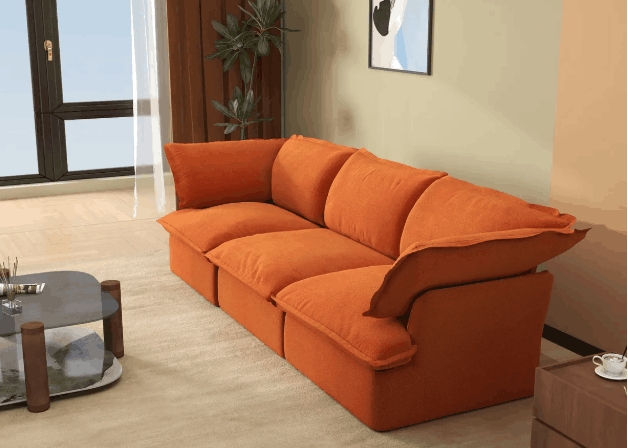
Soft items can be added inside rooms. Rugs, fabric sofas, wall hangings, and bookshelves can help sound be absorbed instead of bounced around.
Noisy machines can be moved away from sleeping areas. A washing machine and generator can be placed farther from bedrooms when possible.
Quiet rules can be agreed at home. Lower television volume, gentle door closing, and phone speaker limits can reduce daily noise without spending money.
How to reduce noise from neighbors in a polite way
A calm talk can be planned when everyone is relaxed. A friendly tone can be used so a fight is avoided.
Clear details can be shared. The exact time when sleep or study is disturbed can be explained, and a simple request can be made.
Small solutions can be offered. Speaker direction can be changed, volume can be lowered after a certain time, and carpets can be added under speakers.
If the problem continues, a building manager or local committee can be involved. A respectful record of dates and times can be kept so the issue can be handled fairly.
How to reduce noise pollution in schools
Quiet learning needs can be supported by classroom design. Curtains, soft boards, and rubber pads under chairs can reduce echo and scraping sounds.
Traffic noise can be reduced by keeping windows on the roadside closed during teaching time when possible. Fans can be used to reduce heat, so windows can stay closed.
Bell and announcement volumes can be adjusted. Clear sound can be kept without a painful loud level.
Quiet zones can be created for reading and exams. A library corner can be placed away from gates and busy roads when possible.
How to reduce noise at work and in offices
Noisy equipment can be kept in separate rooms. Printers, generators, and heavy machines can be placed behind doors so less sound reaches desks.
Soft surfaces can be added. Carpet tiles, ceiling panels, and fabric partitions can cut down echo and make speech clearer.
Meeting rules can be used. One person speaking at a time can be encouraged, and speaker phones can be kept at a lower level.
Headphones can be used with care. Very loud headphone volume can harm hearing, so a safe volume should be kept, and breaks should be taken.
How to reduce transport noise in streets and cities
Smoother driving can be encouraged. Sudden acceleration and hard braking can be reduced, and horn use can be limited to safety needs.
Lower speeds can help. At many speeds, tire and road contact noise can become a main source, so speed control can reduce overall sound in neighborhoods.
Road surfaces can be improved. Quieter road materials can reduce tire noise, and potholes can be fixed to reduce banging sounds.
Trees and green strips can help a little by changing how sound travels. Better results are usually gained when they are combined with walls and smart road planning.
Also Read This: Beriful: The 45/15 Minute Rule: How to Maintain Focus and Avoid Fatigue
How to reduce noise pollution from construction and building work
Work hours can be planned with the community in mind. Loud tasks can be done in the daytime, and quiet tasks can be saved for early morning or evening.
Modern tools can be chosen when possible. Newer machines are often quieter than older machines, especially when maintenance is done.
Temporary barriers can be placed around loud areas. Panels and screens can block direct sound paths to homes and schools nearby.
Communication can be improved. A clear schedule can be shared with residents, and a contact person can be offered so complaints can be handled quickly.
How to reduce noise pollution from factories and workshops
Noisy machines can be enclosed. A machine cover and a separate room can reduce sound reaching outside areas.
Vibration can be reduced because vibration can turn into sound. Rubber mounts and proper balancing can stop shaking and rattling.
Maintenance should be done regularly. Loose parts can create extra noise, and worn bearings can scream loudly even when a machine is working normally.
Industrial zones can be planned away from homes. When city planning is done well, less conflict is created between work areas and living areas.
Rules, laws, and community action that can help
Many countries have rules that recognize noise as a health problem. For example, the United States Noise Control Act was created to promote an environment free from noise that can harm health and welfare.
Local rules can be used for quiet hours at night. Markets, wedding halls, and street loudspeakers can be guided by time limits and volume limits.
Complaint systems can be made simple. A hotline or local office can be used so problems can be reported without fear.
Community education can be effective. When people understand that noise can harm sleep and learning, more cooperation is often received.
A simple action plan that can be followed this week
First, the loudest sound should be chosen. Only one main problem should be targeted so progress is felt quickly.
Second, one barrier should be added. A door gap seal, thick curtain, or rug can be placed where the sound enters most.
Third, one habit should be changed. Lower television volume at night or less horn use on a home street can be started.
Fourth, one conversation should be held. A neighbor, school staff member, or family member can be asked kindly for support, and a shared solution can be planned.
FAQs
What is the easiest way to reduce noise pollution at home?
The easiest step is often sealing gaps in doors and windows and using thick curtains. Soft rugs and fabric furniture can also reduce echo inside rooms.
Can plants reduce noise pollution?
A small reduction can be helped by plants, especially when many are used together. Better results are usually achieved when plants are combined with barriers and good building materials.
How can noise pollution be reduced in schools?
Echo can be reduced with soft materials, and traffic noise can be reduced by closing roadside windows during lessons. Quiet zones for exams and reading can also be created.
Why is horn use a big noise problem?
Horn sound can be sharp and sudden, so stress can be triggered quickly. When horn use is reduced to real safety needs, a quieter street can be created.
What should be done if neighbors keep making loud noise?
A polite talk should be tried first with clear times and simple requests. If no change is made, the building manager or local committee can be involved with a written record of dates and times.
How does noise pollution affect health?
Sleep can be disturbed, stress can be raised, and heart-related risks have been linked with long term exposure. Learning and attention problems in children have also been described by health agencies.