Choosing the right clothing manufacturer is one of the most critical decisions for any fashion brand, whether it is a startup launching its first collection or an established business scaling production. The manufacturer directly affects product quality, consistency, cost structure, and delivery timelines. A poor manufacturing choice can lead to inconsistent sizing, delayed shipments, or quality issues that damage brand reputation.
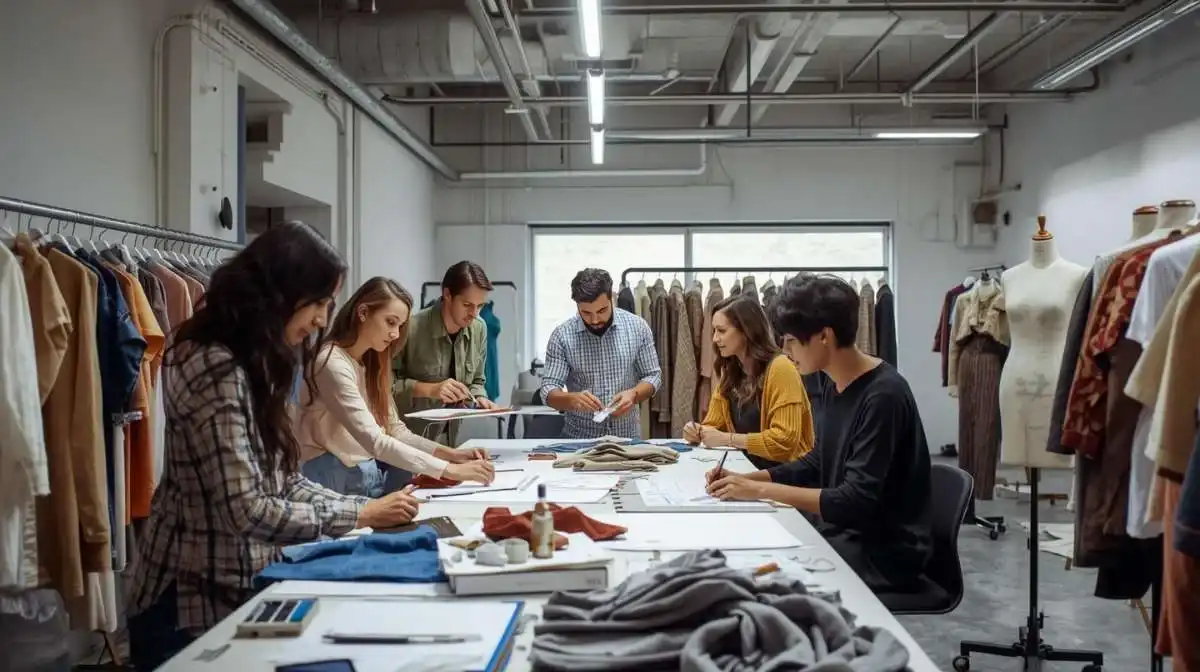
Clothing production is not a single-step process. It involves fabric sourcing, pattern development, sampling, bulk production, and quality control. Each stage introduces variables that must be carefully managed. For this reason, selecting a manufacturer requires a structured evaluation of technical capabilities, operational processes, and communication reliability.
This guide covers the essential aspects of clothing manufacturing, including how OEM production works, how to evaluate manufacturers, differences between production models, and how to balance cost with quality.
You will also learn:
• how to assess production capacity and MOQ
• how fabric sourcing affects product consistency
• what quality control systems to look for
• how to avoid common manufacturing mistakes
Quick Answer
To choose the right clothing manufacturer, focus on production capacity, MOQ, quality control systems, and lead time reliability. Manufacturers should offer consistent quality, clear communication, and scalable production. OEM manufacturers are suitable for custom apparel, while specialized manufacturers are ideal for specific product categories.
What is an OEM Clothing Manufacturer
An OEM (Original Equipment Manufacturer) clothing manufacturer produces garments based on a brand’s custom specifications rather than selling pre-designed items. This model is widely used in private label clothing, where brands control design, branding, and positioning while outsourcing production.
When working with an OEM Clothing Manufacturer, the process typically begins with a tech pack that includes design details, measurements, fabric requirements, and finishing instructions. The manufacturer then develops samples for approval before moving to bulk production.
OEM manufacturing provides several advantages. It allows brands to create unique products, maintain consistency across collections, and build long-term brand identity. However, it also requires clear technical communication and structured planning to avoid production errors.
From an operational standpoint, OEM manufacturing is best suited for brands that want full control over design while relying on external production expertise.
Key Factors to Consider When Choosing a Manufacturer
Selecting a clothing manufacturer involves evaluating multiple technical and operational factors. Each of these factors directly impacts production efficiency and product quality.
Production Capacity
Production capacity determines whether a manufacturer can handle your order volume consistently. Small workshops may be suitable for limited production runs, while larger factories are better equipped for scaling.
Key considerations include:
• number of production lines
• monthly output capability
• workforce specialization
• ability to handle repeat orders
A mismatch between your demand and the manufacturer’s capacity can result in delays or inconsistent output.
Minimum Order Quantity (MOQ)
MOQ is the minimum number of units required per order. It affects both financial investment and inventory risk.
Typical ranges include:
• 50–200 units for small manufacturers
• 200–500 units for mid-sized factories
• 500+ units for large-scale production
Brands should select a manufacturer whose MOQ aligns with their sales forecasts and inventory strategy.
Fabric Sourcing
Fabric quality directly affects the final product. Some manufacturers offer in-house sourcing, while others rely on external suppliers.
Important factors to evaluate:
• fabric composition and durability
• consistency across batches
• supplier reliability
• availability of custom fabrics
Reliable fabric sourcing ensures consistency in color, texture, and performance.
Lead Time
Lead time includes sampling, production, and shipping. Delays in any stage can disrupt product launches.
Typical timelines are:
• Sampling: 7–21 days
• Bulk production: 20–45 days
• Shipping: varies by location
Manufacturers should provide realistic timelines and communicate any delays clearly.
Communication and Transparency
Clear communication is essential for avoiding production errors. Misunderstandings during sampling or production can lead to costly mistakes.
A reliable manufacturer should:
• provide regular updates
• clarify technical details
• offer transparent pricing
Types of Clothing Manufacturers
Clothing manufacturers operate under different production models, each suited to specific business needs.
Full-service manufacturers handle the entire process from design development to final delivery. This reduces operational complexity but may come at a higher cost.
Cut, Make, Trim (CMT) manufacturers focus only on assembling garments. In this model, brands must provide all materials and technical details.
Private label manufacturers offer pre-designed products that can be customized with branding elements. This approach allows faster market entry but limits design flexibility.
Some manufacturers specialize in specific product categories. For example, a Short pants Manufacturer may focus on athletic or casual shorts, offering optimized production processes and better fit consistency for that category.
Decision Insight:
Choose a manufacturer type based on how much control you want over design and how complex your product requirements are.
Customization and Private Label Capabilities
Customization is essential for building a unique brand identity. Manufacturers vary in their ability to support design flexibility.
Customization options typically include:
• fabric selection and weight
• color matching and dyeing
• printing and embroidery
• labels and packaging
While customization enhances brand differentiation, it also increases production complexity and lead time.
Private label production is a more streamlined option. It allows brands to apply their branding to existing designs, reducing development time.
Decision Insight:
Start with moderate customization to balance uniqueness with manageable production complexity.
Quality Control and Production Standards
Quality control ensures that products meet defined specifications and customer expectations. A structured quality control system is essential for maintaining consistency.
Most manufacturers follow a multi-stage inspection process that includes:
• raw material inspection
• in-line production checks
• final inspection before shipment
Key quality indicators include stitching accuracy, fabric durability, and sizing consistency.
Manufacturers may also follow recognized inspection systems such as AQL standards.
Decision Insight:
Evaluate how quality is maintained during bulk production, not just during sample development.
Cost vs Quality Considerations
Cost is an important factor, but it should not be the only consideration. Lower-cost manufacturers may compromise on materials or quality control.
Higher-cost manufacturers often provide:
• better fabric sourcing
• more consistent production
• reliable timelines
Brands should consider the total cost of ownership, including returns, defects, and customer satisfaction.
Decision Insight:
Focus on long-term value rather than short-term cost savings.
Common Mistakes to Avoid
Many brands make avoidable mistakes when selecting a clothing manufacturer.
Common issues include:
• choosing based only on price
• ignoring MOQ requirements
• skipping sample testing
• poor communication
• unrealistic production expectations
Another common mistake is scaling production too quickly without validating demand.
Decision Insight:
A structured selection process reduces risk and improves long-term outcomes.
The right clothing manufacturer should align with your production needs, quality standards, and growth plans. Instead of focusing on a single factor, evaluate manufacturers based on a combination of technical capability, communication reliability, and scalability.
For most brands, OEM manufacturing provides a balanced approach between customization and efficiency. However, the final decision should reflect your product type, order volume, and long-term strategy.
Conclusion
Choosing a clothing manufacturer is a strategic decision that directly impacts product quality, brand reputation, and operational efficiency. By understanding manufacturing processes and evaluating key factors such as MOQ, lead time, and quality control, brands can build reliable production partnerships.
A well-selected manufacturer not only ensures consistent product output but also supports long-term business growth.
FAQ
What is an OEM clothing manufacturer?
An OEM clothing manufacturer produces garments based on custom designs provided by a brand.
What is a typical MOQ?
MOQ usually ranges from 50 to 500 units depending on the manufacturer.
How long does production take?
Production typically takes 20 to 45 days after sample approval.
Can manufacturers help with fabric sourcing?
Yes, many manufacturers provide access to fabric suppliers.
How do I ensure product quality?
Work with manufacturers that follow structured quality control systems.
Is private label better than OEM?
It depends on your needs. OEM offers more customization, while private label is faster.
Can small brands work with manufacturers?
Yes, many manufacturers offer low MOQ options suitable for startups.
What should be included in a tech pack?
A tech pack includes design specifications, measurements, materials, and production details.