
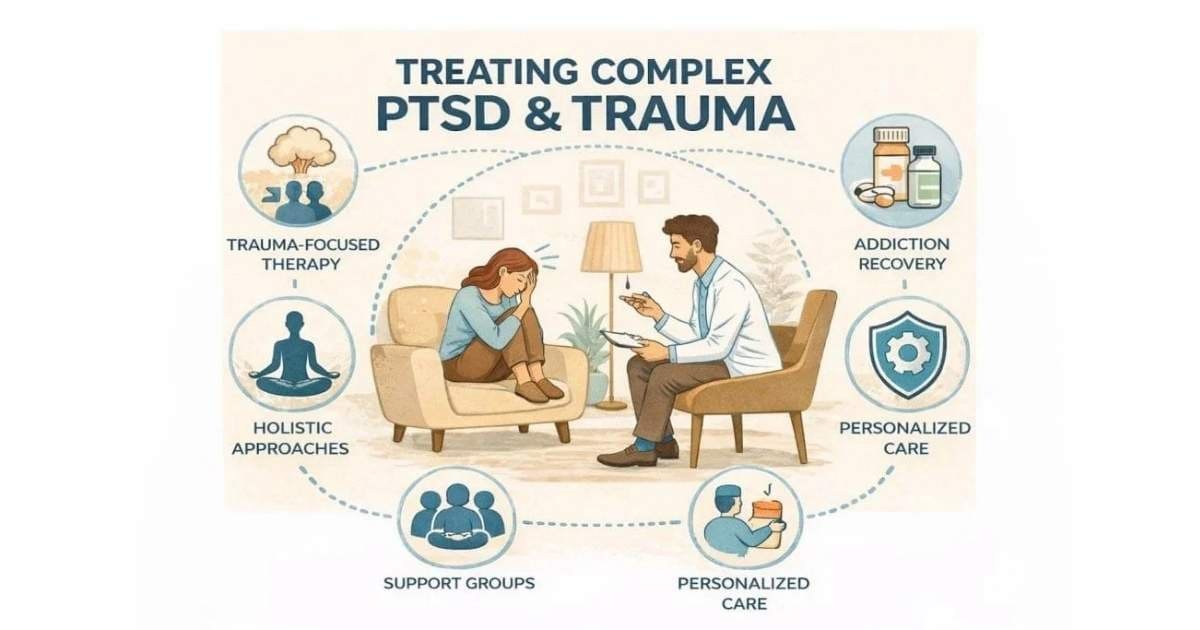
Long-lasting trauma can reshape how a person experiences emotions, relationships, and daily life. When traumatic experiences occur repeatedly over months or years, the psychological effects may become deeper and more complicated than those caused by a single incident. Many people living with this form of trauma struggle with anxiety, emotional instability, sleep problems, and difficulty maintaining trust in relationships. These symptoms can gradually interfere with work, personal goals, and social connections.
While some individuals benefit from regular therapy sessions, others require a more supportive and structured approach. In such situations, complex PTSD residential treatment becomes an important option for recovery. Residential programs provide a therapeutic environment where individuals temporarily live within a treatment setting while receiving intensive psychological support.
This form of care allows people to step away from daily stress and focus completely on healing. Within these programs, trained professionals guide patients through carefully planned therapy sessions, emotional skill-building exercises, and wellness activities. The supportive setting encourages individuals to address painful memories, understand emotional patterns, and develop healthier coping strategies. Over time, residential care can help restore stability and provide the foundation needed for long-term emotional recovery.
Complex PTSD Residential Treatment Programs And How They Work
These programs are designed for individuals who need consistent and immersive support during trauma recovery. These programs differ from traditional outpatient therapy because patients stay within the treatment facility for a set period while receiving full-time care.
Living at the treatment center allows individuals to focus entirely on healing without the distractions and pressures of daily responsibilities. The environment is structured and supportive, which helps patients feel secure as they work through difficult emotional experiences.
Each participant usually receives a personalized care plan created by a team of mental health professionals. This team often includes therapists, psychologists, and counselors who specialize in trauma recovery. Together, they design therapy schedules and recovery activities based on the individual’s needs.
Different Types Of Residential Care Options
Residential trauma treatment is not limited to a single type of program. Various options exist to accommodate different recovery needs and levels of emotional support.
Short-duration residential programs focus on stabilizing emotional symptoms within a few weeks. These programs help individuals gain immediate support and learn basic coping techniques before continuing therapy in other settings.
Extended residential programs provide longer stays that may last several months. This option allows individuals more time to process complex trauma experiences and develop stronger emotional resilience. Long-term care often includes deeper therapeutic work and more intensive support.
Also Read This: Beriful: Secret Power of Castor Oil For Eyelashes: Benefits, How to Use It, and Does It Really Work?
Therapies Commonly Used In Residential Trauma Programs
A variety of therapeutic approaches are used in residential mental health trauma treatment programs to address the different aspects of complex trauma. Because trauma can affect both emotional reactions and cognitive patterns, treatment plans usually combine several forms of therapy.
Cognitive behavioral therapy is frequently used to help individuals recognize harmful thought patterns that developed during traumatic experiences. By identifying these patterns, patients can begin replacing negative beliefs with healthier ways of thinking.
Trauma-focused therapy allows individuals to process painful memories gradually within a safe and controlled setting. Therapists guide patients through these memories while teaching emotional regulation skills that help reduce distress.
In many treatment settings, creative therapy techniques are also introduced. Activities such as art, writing, and reflective exercises provide alternative ways for individuals to express emotions. Many patients receiving Complex PTSD residential treatment find these activities helpful for releasing feelings that are difficult to describe in conversation.
Daily Life Inside A Residential Treatment Program
Understanding what daily life looks like within a residential program can help individuals feel more prepared before entering treatment. Most facilities follow structured daily schedules designed to support emotional balance and personal growth.
The day often begins with wellness activities such as light physical exercise, meditation, or mindfulness practice. These routines help individuals start the day with a calm and focused mindset.
Therapy sessions usually take place throughout the day and may include both individual counseling and group discussions. Patients work with therapists to explore their experiences, develop coping skills, and learn healthier emotional responses.
Preparing For Life After Residential Treatment
Trauma healing residential program programs are designed to create meaningful progress in trauma recovery, but healing continues after treatment ends. As patients approach the completion of their program, treatment teams usually help them prepare for the transition back into daily life.
Aftercare planning often includes recommendations for ongoing therapy, community support groups, and continued wellness practices. These resources help individuals maintain the progress they achieved during treatment.
Patients also leave with practical strategies that help manage emotional triggers. Techniques such as breathing exercises, mindfulness practices, and healthy communication skills allow individuals to handle stressful situations more effectively.
For many people, the journey through same day admission Complex PTSD residential treatment becomes a turning point that leads to greater emotional stability and personal understanding. With the right support and continued commitment to recovery, individuals can move forward with renewed strength, healthier relationships, and a clearer sense of direction in life.