
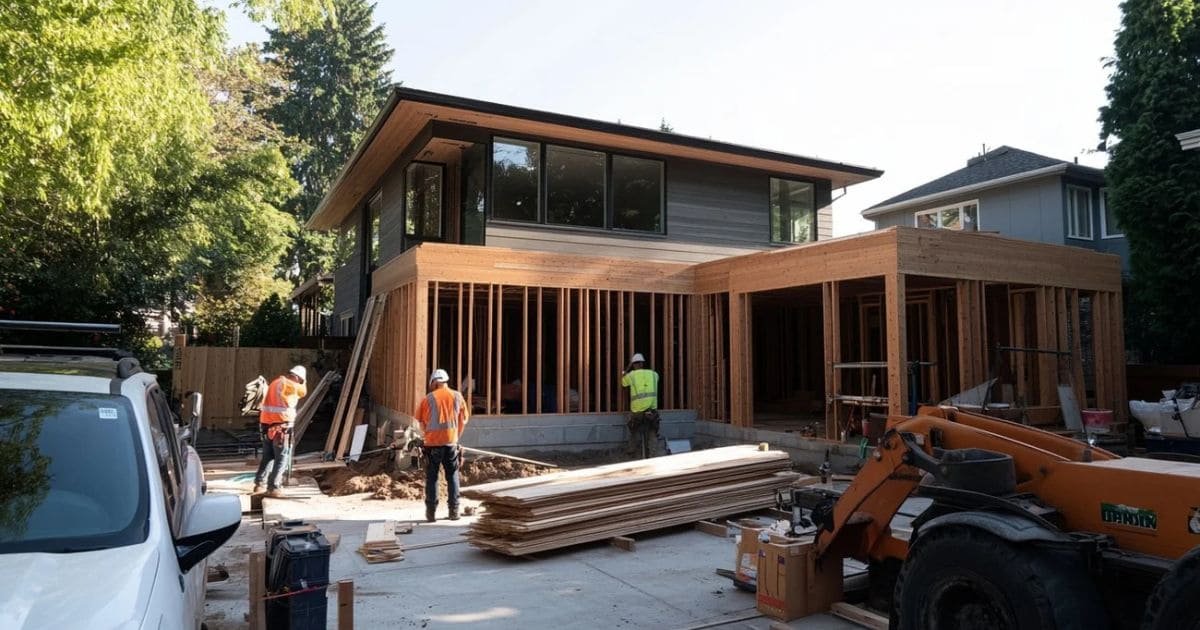
You want more space without the stress of a full move, and finding the right local contractor makes that possible. A qualified home addition contractor near you will assess your needs, handle permits and trades, and deliver a safe, code-compliant expansion that fits your budget and timeline.
This article Home Addition Contractors Near Me walks you through how to choose contractors with verified reviews, photos of past work, and clear quotes so you can compare offers confidently. You’ll learn what to expect during design, permitting, and construction so decisions stay practical and progress stays on track.
Choosing the Best Home Addition Contractors Near Me
Identify contractors with a proven record on projects like yours, get at least three detailed bids, and confirm licenses and insurance before you commit.
What to Look for in Local Home Addition Contractors
Focus on contractors who list recent projects similar to your addition—second-story additions, kitchen expansions, or master-suite builds. Ask for photos, floor plans, and references you can call.
Check their project timeline history and crew size. A contractor who consistently meets deadlines and uses in-house crews or long-term subcontractors reduces coordination issues.
Evaluate communication style during the estimate phase. Clear, prompt responses and written explanations of scope, materials, and change-order processes indicate professional project management.
Look for trade-specific experience: structural framing, HVAC adjustments, and permitting knowledge are essential for safe additions. Prioritize contractors familiar with local building codes and neighborhood zoning.
Comparing Home Addition Contractor Quotes
Compare quotes line-by-line rather than only by total price. Ensure each estimate breaks out labor, materials, permits, temporary utilities, disposal, and allowances for finishes.
Create a simple comparison table with columns: Contractor, Base Cost, Materials Allowance, Labor Hours, Start Date, Estimated Completion, Payment Schedule, and Warranty. This makes differences visible at a glance.
Watch for unusually low bids that omit permits or use ambiguous allowances. Clarify what triggers change orders and how extras are approved and priced.
Ask each contractor for a written project schedule and payment milestones tied to completed work, not calendar dates, to protect your cash flow and verify progress.
Verifying Licenses and Insurance
Request copies of the contractor’s business license, trade licenses, and current insurance certificates upfront. Verify policy numbers with the insurer and confirm coverage includes general liability and workers’ compensation.
Confirm the contractor is registered with your state or provincial licensing board and has no unresolved disciplinary actions. Use online license lookup tools and read recent consumer complaints.
Ask about any required building permits and who will obtain them. Contractors who handle permitting demonstrate knowledge of local inspections and reduce your administrative burden.
Keep all verification documents in your project file and add a contract clause requiring updated certificates if policies expire during the build.
Understanding the Home Addition Process
You will weigh scope, budget, and timeline early, then move through design, permits, and staged construction. Knowing who handles each step — designer, contractor, permit filer — keeps decisions clear and avoids delays.
Initial Consultation and Planning
You begin with a site visit and a focused conversation about goals: square footage needed, room function, and preferred materials. Expect the contractor to measure the site, review property lines, and identify utility locations that could affect design or cost.
Bring a realistic budget and a list of must-haves versus nice-to-haves. The contractor will provide preliminary cost ranges and may show comparable local projects or permit histories to justify estimates. Ask about experience with similar additions and request references.
Agree on a scope document that lists deliverables, allowances for finishes, and a change-order process. Confirm who will handle engineering, inspections, and coordination with any specialized trades.
Design and Permitting
You will move from concept sketches to construction-ready drawings produced by an architect or draftsman. These plans must detail structural changes, framing, window/door locations, and mechanical layouts to satisfy the local building department.
Research local code requirements and zoning rules early; setbacks, lot coverage, and ADU limits can alter what’s feasible. Your contractor often prepares or submits permit applications, but confirm whether they pull permits directly or you must do so.
Expect plan review timeframes and possible revision cycles. Track required documents: site plan, structural calculations, energy compliance forms, and contractor licensing proof. Budget permit fees and possible impact on schedule.
Construction Timeline and Costs
Construction phases typically include site prep/foundation, framing, rough-mechanical installs, insulation/drywall, finishes, and final inspections. You should get a phased schedule with estimated durations for each stage and key milestone dates.
Costs vary by scope: expect line items for foundation, framing, roofing, windows/doors, HVAC/plumbing/electrical, finishes, and final cleanup. Ask for a detailed estimate or cost breakdown and clarify allowances for fixtures and finishes to avoid surprises.
Plan for contingencies of 5–15% for unseen conditions like grading, utility relocations, or structural reinforcements. Establish a payment schedule tied to milestones and require lien waivers and inspection sign-offs before final payments.
Note: Beriful do not guarantee the accuracy or completeness of this information and are not liable for any loss, damage, or consequences resulting from its use.