
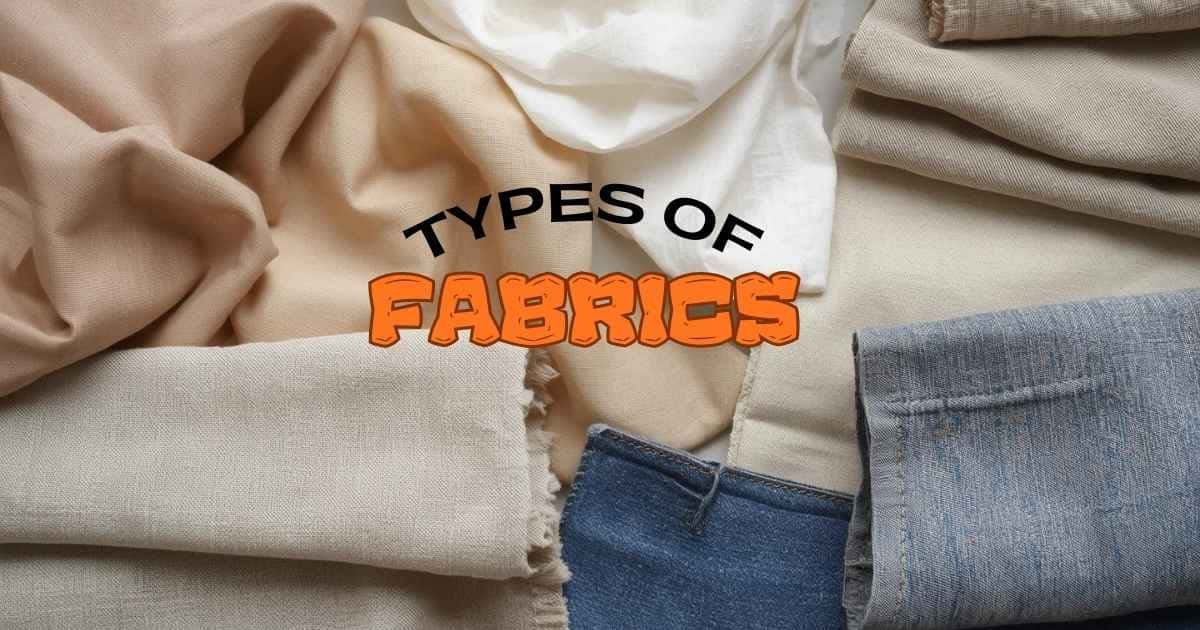
Fabrics are more than just materials for making clothes—they hold comfort, style, durability, and even how suitable a garment is for different occasions. The choice of fabric can affect everything from how breathable a shirt feels to how long a jacket lasts.
Understanding types of fabrics, their properties, and applications is essential for consumers, designers, and anyone interested in the fashion or textile industries. The world of fabrics can be broadly divided into three categories: natural fabrics derived from plants and animals, synthetic fabrics created through chemical processes, and blended fabrics that combine the best features of both. Each fabric type offers unique characteristics, care requirements, and suitability for different uses, whether for everyday wear, formal attire, or specialized industrial applications.
In this article, we will explore the most popular types of fabrics, their characteristics, advantages, and common uses. Whether you are buying casual wear, formal attire, or seasonal clothing, this guide will help you make informed decisions.
1. Cotton Fabric – The King of Comfort
There are different types of fabrics, and the most common one is cotton. Cotton is one of the most widely used fabrics globally, celebrated for its softness and breathability. It is a natural fiber derived from the cotton plant, making it eco-friendly and gentle on the skin.
Properties:
Soft, lightweight, breathable, moisture-absorbent, hypoallergenic.
Advantages:
Comfortable for all-day wear, best for sensitive skin, easy to wash and maintain, and naturally cooling in hot weather.
Common Uses:
T-shirts, casual shirts, summer dresses, pajamas, underwear, bedsheets, and curtains.
Cotton’s versatility makes it a staple in every wardrobe. It can be mixed with other fibers, like polyester, to make clothes that are both comfortable and long-lasting.
2. Linen Fabric – Cool and Breathable
Linen is one of the different types of fabric. Linen is made from the fibers of the flax plant and is known for its lightweight, breathable texture. It is a natural fabric that works exceptionally well in hot and humid climates.
Properties:
Lightweight, breathable, moisture-absorbing, crisp texture.
Advantages:
Keeps the body cool, naturally strong, biodegradable, and environmentally friendly.
Common Uses:
Summer dresses, shirts, trousers, tablecloths, napkins, and light jackets.
Linen fabrics have a slightly textured surface, giving them a casual yet elegant look. They are perfect for both fashion and home decor purposes.
3. Silk Fabric – The Fabric of Luxury
Silk is one of the different types of fabric. Silk is one of the most luxurious natural fabrics in the world. Extracted from silkworm cocoons, silk is known for its smoothness, luster, and elegance.
Properties:
Soft, lightweight, shiny, strong, naturally hypoallergenic.
Advantages:
Adds a touch of luxury, is comfortable on the skin, drapes beautifully, and resists wrinkles naturally.
Common Uses:
Sarees, evening gowns, scarves, ties, lingerie, and high-end blouses.
Silk’s natural sheen and flow make it ideal for formal occasions, weddings, and luxury garments. It is also used in accessories like scarves and pillowcases for a soft, smooth feel.
4. Wool Fabric – Warm and Cozy
Wool is one of the different types of fabric. Wool is a natural fiber obtained from sheep, alpacas, goats, and other animals. Known for its warmth, elasticity, and moisture-wicking properties, wool is perfect for winter clothing.
Properties:
Warm, elastic, soft, breathable, moisture-resistant.
Advantages:
Retains heat efficiently, reduces odor, resists wrinkles, highly durable.
Common Uses:
Sweaters, coats, scarves, gloves, blankets, and suits.
Wool fabrics are available in a wide varieties, including merino wool (soft and fine) and cashmere (luxurious and lightweight), making them suitable for both casual and formal wear.
5. Polyester Fabric – Durable and Affordable
Polyester is one of the different types of fabric. Polyester is a synthetic fabric widely used in modern apparel. Known for its strength and resistance to shrinking or stretching, it is highly versatile.
Properties:
Durable, wrinkle-resistant, quick-drying, lightweight.
Advantages:
Affordable, easy to maintain, colorfast, retains shape, resistant to mildew.
Common Uses:
Sportswear, jackets, dresses, home furnishings, and linings.
Polyester blends, such as cotton-polyester, combine the softness of cotton with polyester’s durability, making them ideal for everyday wear.
6. Nylon Fabric – Strong and Stretchy
Nylon is a synthetic fiber celebrated for its high strength, elasticity, and water resistance. It is commonly used in both clothing and functional items.
Properties:
Lightweight, strong, elastic, resistant to abrasion and mildew.
Advantages:
Durable, easy to wash, quick-drying, resistant to tearing.
Common Uses:
Activewear, stockings, jackets, umbrellas, backpacks, and sports gear.
Nylon’s resilience and flexibility make it a perfect choice for garments that need to withstand regular use and physical activity.
7. Rayon Fabric – Soft and Versatile
Rayon is a semi-synthetic fabric made from natural cellulose fibers. It is designed to mimic the feel of silk, cotton, or wool.
Properties:
Soft, smooth, breathable, drapes beautifully, lightweight.
Advantages:
Comfortable, versatile, cost-effective alternative to natural fabrics, available in many textures.
Common Uses:
Dresses, blouses, linings, scarves, and casual wear.
Rayon is especially popular in summer clothing because it feels cool and breathable on the skin while being affordable and stylish.
8. Denim Fabric – The Casual Favorite
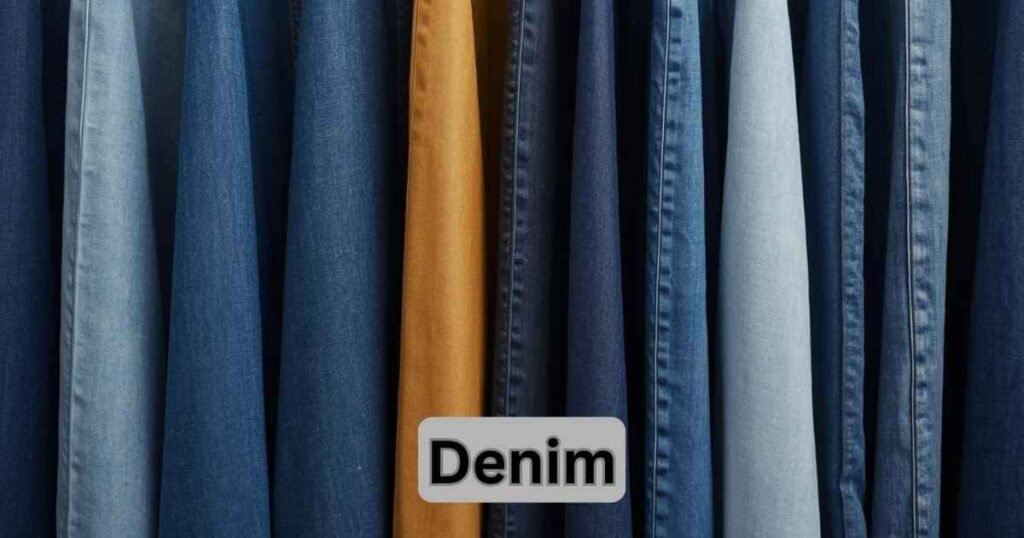
Denim is a strong cotton twill fabric famous for jeans and jackets. Its durability and style have made it a wardrobe essential.
Properties:
Thick, durable, slightly rough texture, hard-wearing.
Advantages:
Long-lasting, versatile, fashionable, easy to style.
Common Uses:
Jeans, jackets, skirts, overalls, and casual dresses.
Denim comes in various washes and finishes, making it suitable for casual wear, fashion-forward designs, and even semi-formal pieces.
9. Velvet Fabric – Rich and Elegant
Velvet is a luxurious fabric with a soft, plush surface. Known for its elegance and thickness, it is widely used in formal clothing and upholstery.
Properties:
Soft, shiny, thick, rich texture.
Advantages:
Smooth feel, visually appealing, retains warmth, exudes luxury.
Common Uses:
Evening gowns, blazers, curtains, upholstery, and formal dresses.
Velvet adds sophistication and grandeur to any outfit or interior décor, making it perfect for special occasions.
10. Blended Fabrics – The Best of Both Worlds
Blended fabrics combine two or more types of fibers to enhance performance and comfort. Common blends include cotton-polyester and wool-silk.
Properties:
Combines qualities of each fiber—softness, durability, elasticity.
Advantages:
Easy care, cost-effective, durable, wrinkle-resistant.
Common Uses:
Everyday wear, sportswear, school uniforms, home textiles, and workwear.
Blended fabrics are popular because they combine comfort, practicality, and longevity in one garment.
For More Article you can visit our website: Beriful
How to Choose the Right Fabric
Selecting the best fabric depends on several key factors:
Climate & Season:
Cotton, linen, and rayon are ideal for summer; wool, velvet, and blended fabrics are better for winter.
Purpose & Occasion:
Silk and velvet are perfect for formal events, while denim, cotton, and polyester are suited for casual wear.
Comfort:
Natural fabrics like cotton, silk, and linen are breathable and gentle on the skin.
Durability:
Synthetic fabrics such as polyester, nylon, and blended fabrics last longer and are easier to maintain.
Allergy Considerations:
Natural fabrics are less likely to cause skin irritation, making them ideal for sensitive skin.
FAQs
Q1: What is the most durable fabric?
A: Synthetic fabrics like polyester and nylon are highly durable. Wool blends and tightly woven cotton also offer long-lasting performance.
Q2: Which fabric is best for hot weather?
A: Cotton, linen, bamboo, and lightweight blends are ideal for breathability and comfort.
Q3: How can I tell if a fabric is high quality?
A: Check uniform weaving, fiber strength, stitching, texture, and drape. Higher-quality fabrics often feel softer, heavier, and retain shape better.
Q4: Can synthetic fabrics be eco-friendly?
A: Yes, recycled polyester and other innovative synthetics can reduce environmental impact, though most synthetics are less biodegradable than natural fibers.
Q5: How should I store delicate fabrics like silk or wool?
A: Store in a cool, dry place, preferably folded with breathable covers. Avoid hanging silk garments for long periods to prevent stretching.
Q6: Which fabrics are easiest to maintain?
A: Polyester, nylon, and cotton-polyester blends are low-maintenance, resistant to wrinkling and shrinking.
Q7: Are blended fabrics better than pure fabrics?
A: Blends often combine the strengths of multiple fibers, offering durability, comfort, and practicality, though they may be less breathable than pure natural fabrics.
Q8: What fabrics are most sustainable?
A: Organic cotton, hemp, bamboo, and recycled polyester are sustainable choices that reduce environmental impact.
Conclusion
Understanding the types of fabrics is essential for anyone who wants a functional, stylish, and comfortable wardrobe. Each fabric – whether natural, synthetic, or blended – offers unique benefits for comfort, style, and durability. By choosing the right fabric for your clothing, you can enjoy garments that look good, feel comfortable, and last longer.

5 thoughts on “Types of Fabrics: Everything You Need to Know”