When selecting hair extensions, it helps to take into account your hair type, texture, and lifestyle to choose the option that’s most appropriate. Keratin, hand-tied, and tape-in extensions each suit different hair needs, and understanding these distinctions helps you make an informed decision. Consulting a professional stylist helps match extensions to your specific hair type. Here is more information on choosing the right hair pieces for your hair type:
What Are Hair Types?
Hair type is determined by the shape of the hair follicle. This follicle shape controls whether strands are straight, wavy, curly, or coily, and it plays a role in how extensions interact with natural hair. Straight hair lies flat and tends to be smooth; wavy hair falls between straight and curly. Curly hair has defined spirals, while coily hair has tight, densely packed curls. Each type responds differently to added weight, adhesives, and styling techniques, so identifying hair type is integral to the extension selection process.
Hair texture, which includes fine, medium, or coarse, also influences extension compatibility. Fine hair has a smaller diameter per strand, which means it may struggle to support heavier hair pieces without experiencing tension or breakage. Coarse hair can handle more volume and weight, but blending still requires careful attention to color and curl pattern. All individuals benefit from a professional consultation.
What Are Hair Extensions?
Hair extensions are strands of hair attached to existing hair to add length, volume, or both. While natural human hair extensions blend more seamlessly with existing hair, they can also be heat-styled in the same manner as natural hair, which makes them a versatile option. Extensions are categorized by attachment method, and each category carries different implications for maintenance and durability. Whether through adhesives, stitching, or mechanical methods, the attachment type determines how well the extensions suit specific hair types.
What Are the Different Kinds?
Three extension types are keratin, hand-tied, and tape-in. Each uses a distinct attachment method and suits different hair needs.
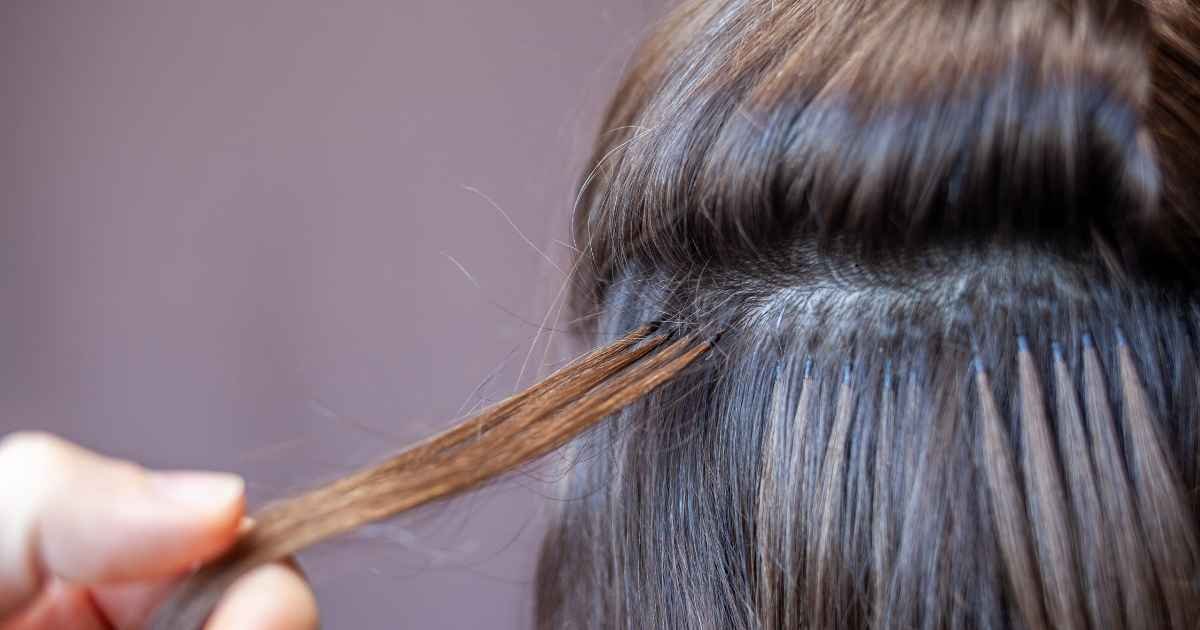
- Keratin extensions use a heat-activated keratin bond to fuse individual strands to natural hair. They are durable and work well for medium to coarse hair types.
- Hand-tied extensions are sewn onto a small bead or weft using a needle and thread. Hand-tied extensions are often recommended for fine or thin hair.
- Tape-in extensions use adhesive wefts sandwiched around natural hair. They suit straight to slightly wavy hair types.
How Are They Chosen?
The selection process begins with an assessment of the client’s natural hair; this evaluation covers type, texture, density, and overall health. A stylist determines whether the hair is strong enough to support a particular attachment method without breakage. Because damage, chemical processing history, and scalp sensitivity all influence the outcome, these factors are carefully reviewed before a recommendation is made.
Color matching is a key part of the process. Extensions are selected to blend with the client’s natural shade or to complement a color that has already been applied, which requires careful visual comparison under consistent lighting. Lifestyle is also taken into account, as clients who swim regularly or use heat tools daily require extension types that can withstand those conditions. The goal is to select a method that fits into the client’s existing routine.
Consult a Professional Today
Choosing the right hair extensions involves a detailed understanding of your hair’s natural characteristics; a professional will determine a method that aligns with your lifestyle. Keratin, hand-tied, and tape-in extensions each offer distinct advantages depending on the individual. If you are looking to enhance your appearance, schedule a consultation with a professional stylist.
Disclaimer: The information provided in this article is for general informational and educational purposes only. It does not constitute professional hairstyling, cosmetology, or medical advice. Hair type, texture, and extension compatibility vary by individual; always consult a licensed stylist for a personalized assessment. The mention of specific extension types or brands is illustrative and does not imply endorsement. The author and publisher disclaim all liability for any damage, dissatisfaction, or other consequences arising from reliance on this content. This article does not guarantee specific results or suitability. Always follow the care instructions provided by your stylist.
Stay relevant in an ever-changing world—our cutting-edge updates keep you informed and prepared.