Soap making is a fun and creative hobby that anyone can try at home. With the right tools, you can turn simple ingredients into beautiful, handmade bars. This guide covers everything a beginner needs to get started safely and confidently.
Measuring Tools
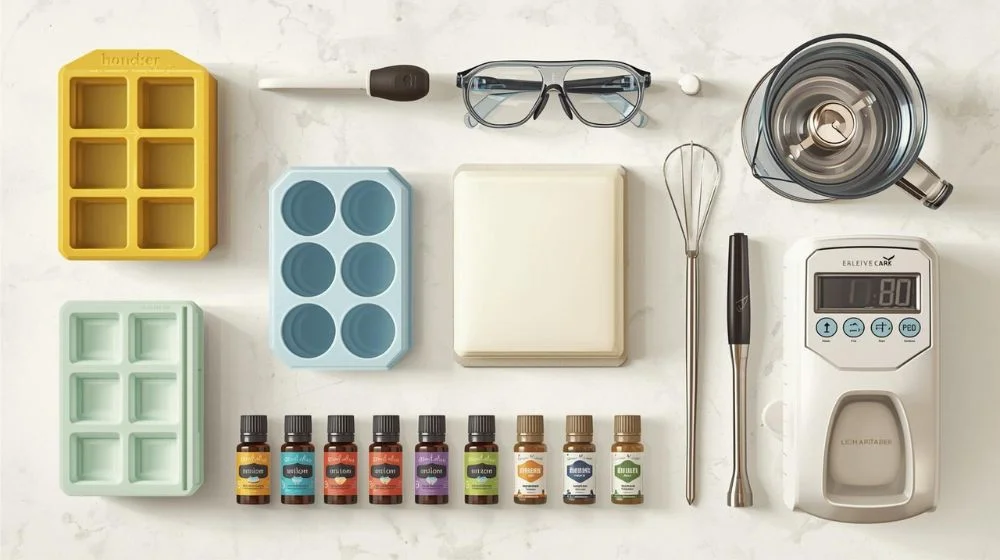
A digital scale helps beginners measure soap making supplies such as oils, butters, and lye with accuracy. Models with a tare function allow makers to weigh liquids and solids directly in containers. That function subtracts the container weight, and it helps measure only the ingredient being added.
Look for a scale that measures in grams with at least 0.1-gram precision. A 5kg capacity scale works well for both small test batches and larger projects. Flat platforms are easier to clean between ingredients.
Measuring cups with markings help beginners pour bulk liquids in controlled amounts. Soap makers can also use different-sized measuring beakers for either large or small projects. Polypropylene beakers resist lye reactions and are lightweight to handle.
A 1000ml beaker is perfect for mixing lye water. Smaller 250ml beakers work great for pre-mixing colors and fragrances. Having multiple sizes prevents cross-contamination between ingredients.
Measuring spoons provide small-scale control for fragrance oils, color powders, and other additives. Clear markings make recipe measurements easier to repeat across different batches, and they help beginners follow the same formula for future projects with fewer measurement changes.
Choose stainless steel spoons because they resist corrosion from essential oils. Always avoid aluminum spoons since they react dangerously with lye.
Heating Tools
Heat-safe pitchers help beginners melt soap bases before pouring. These containers hold the base during short heating intervals in a microwave or double boiler. Short heating periods may reduce scorching, and steady stirring helps keep the melted base smooth.
Borosilicate glass pitchers handle rapid temperature changes without cracking. For cold process soap, stainless steel pots with thick bottoms melt oils evenly without burning.
A thermometer checks the soap base temperature before fragrance oils, colorants, or other ingredients are added. Different additives have optimal temperature ranges for incorporation, and adding them too hot can cause fragrance oils to evaporate or colorants to morph unexpectedly.
Infrared thermometers give quick, contactless readings. Candy thermometers work well for continuous monitoring. Cold process oils and lye should both be between 100°F and 120°F before mixing.
Heat-resistant silicone spatulas help scrape the sides and bottom of the container during mixing. These tools make melting, blending, and pouring easier to manage during beginner soap-making projects.
Silicone spatulas handle up to 500°F and won’t scratch containers. Get both large and small sizes for different tasks.
Molding Tools
Soap molds shape each batch into bars, loaves, or decorative pieces. Cavity molds help beginners create separate bars without cutting, and loaf molds allow larger batches to be sliced after curing. Silicone molds also support easier release once the soap has hardened.
Start with flexible silicone cavity molds in standard bar sizes. They are forgiving for beginners and produce professional-looking results every time.
Individual cavity molds make 3-5 ounce bars, which is the standard size buyers expect. No cutting is needed, and bars come out perfectly shaped. Loaf molds let you pour 2-3 pound batches and slice them later.
A scraper helps level the top of a poured loaf before it sets. This simple tool prevents uneven surfaces and creates clean edges on your finished bars.
Soap cutters with measurement guides ensure uniform bar sizes. Consistent molds and cutting tools help create bars with similar sizes and shapes, which is helpful if you are starting a business and require consistent products.
Wooden loaf molds with silicone liners offer the best of both worlds. You get the strength of wood plus the easy release of silicone.
Soap Color Tools
Soap color tools help beginners control the shade, pattern, and appearance of each bar. Small scoops measure colorants in limited amounts, and separate mixing cups help keep each shade organized before blending. Testing colors in small batches helps show how each pigment or dye appears before it is added to a full mold.
This practice prevents costly mistakes and lets you refine your color palette before committing to a full batch.
Clear containers also make color blending easier because beginners can see the mixture as it changes. Droppers place small amounts of liquid color into the base, and mini whisks help spread the shade evenly. These tools support simple designs, such as solid-color bars, layered soap, or light swirl patterns.
A dedicated coffee grinder disperses mica and oxide powders evenly in carrier oils. This step prevents clumpy color streaks in your finished soap.
Mixing and Blending Tools
An immersion blender is the most important tool for cold process soap making. It reduces mixing time from hours to just minutes. Look for models with stainless steel shafts and multiple speed settings.
A 200-watt motor handles most home batch sizes easily. Always keep the blender submerged while running to prevent splattering raw soap batter.
Stainless steel whisks work well for smaller batches or when you want a thinner trace. Wooden spoons absorb oils over time, so dedicated soap making spoons are better. Always choose tools with no aluminum parts, as aluminum reacts with lye and can ruin your soap.
Safety Equipment
Lye is caustic and demands careful handling. Long-sleeved shirts, chemical-resistant gloves, and safety goggles are non-negotiable items. Nitrile gloves resist chemicals better than latex and should cover past your wrists.
Some soap makers wear respirator masks when working with lye solutions or powdered colorants. A dedicated apron protects your clothing and gives you a place to wipe your hands.
Keep white vinegar nearby during every soap making session. It neutralizes lye splashes on skin instantly. A first aid kit with burn cream and eye wash should always be within arm’s reach.
Storage and Curing Supplies
Wire cooling racks allow air circulation around bars during the 4-6 week curing period. Parchment paper or freezer paper lines storage containers and prevents sticking. Labeling supplies help you track batch dates, ingredient lists, and cure times.
This information matters whether you make soap for fun or plan to sell your creations.
Store curing soap in a cool, dry place away from direct sunlight. Excess humidity causes glycerin dew on bar surfaces. High temperatures speed up curing unevenly. A closet shelf or storage cabinet works perfectly for most home soap makers.
Get Soap Making Supplies Today
Whether you are formulating cold process bar soaps or concentrating on molded creations, the right materials allow you to create professionally looking products. Sourcing your soap making supplies from an established supplier provides you with everything you need to make crafted soaps, such as soap bases, colorants, and equipment that will help you measure precise ingredients. Contact an experienced soap supplier today to start creating soap products with the right materials and ingredients.
Disclaimer: This content is for general informational purposes only and is intended for beginner soap makers. Soap making involves heat, chemicals, and sharp tools, so always follow proper safety guidelines and use protective equipment. We are not responsible for any injury, damage, or loss resulting from the use of this information.